Tree Roots in Drains: Signs, Risks and Repairs in Coventry
Living in Coventry and the surrounding West Midlands area, many homeowners encounter drainage issues caused by invasive tree roots. With the abundance of mature trees in towns like Bedworth, Kenilworth, and Nuneaton, root ingress into underground drains is a common problem that can lead to serious blockages and structural damage if left untreated.
Understanding how and why tree roots enter drains, recognising early warning signs and knowing the repair options available can save Coventry residents time and costly repairs. This article explores these topics in depth, offering practical insights tailored to properties across Coventry, Walsgrave, Finham, and nearby communities.
How Tree Roots Get Into Drains
Tree roots naturally seek out moisture and nutrients underground, which often leads them to sewage and drainage pipes. Drains constructed from older materials like clay or concrete are particularly vulnerable, as small cracks or loose joints provide easy entry points for roots. In Coventry’s older housing areas such as Foleshill or Earlsdon, these types of pipes are common, increasing the risk of root intrusion.
Once a root finds its way inside, it grows rapidly in the damp environment, extending further into the pipe system. Roots can also enter through damaged gully pots or collapsed drains, common in properties surrounded by gardens with mature trees such as those in Allesley or Tile Hill. The proximity of large trees to drainage networks significantly raises the likelihood of root ingress.
Warning Signs of Tree Root Ingress
Homeowners in Coventry might notice slow draining sinks, toilets backing up, or gurgling sounds from drains, which are classic early indicators of root blockage. These symptoms often start subtly but worsen over time as roots expand and restrict water flow. In neighbourhoods like Keresley or Longford, where soil conditions encourage root growth, vigilance for these signs is especially important.
Other signs include unpleasant odours around drains or damp patches in gardens where underground pipes have been compromised by roots. If storm water drains or soakaways located in back gardens of properties in Balsall Common or Coundon are affected, surface water drainage problems may also occur following heavy rainfall.
Damage Caused by Tree Roots in Drains
As roots grow inside pipes, they exert pressure that can crack, displace or completely collapse the drainage system. This structural damage leads to persistent blockages and leaks, allowing sewage to contaminate surrounding soil—a health hazard in urban areas like Binley or Finham. Over time, these problems may lead to subsidence or sinkholes that damage property foundations.
Repeated root penetration also makes drains more vulnerable to further intrusion and deterioration, increasing the cost and complexity of repairs. In Coventry and West Midlands properties, ignoring early signs often results in extensive excavation and pipe replacement, which is disruptive and expensive.
Diagnosing Root Problems in Coventry Drains
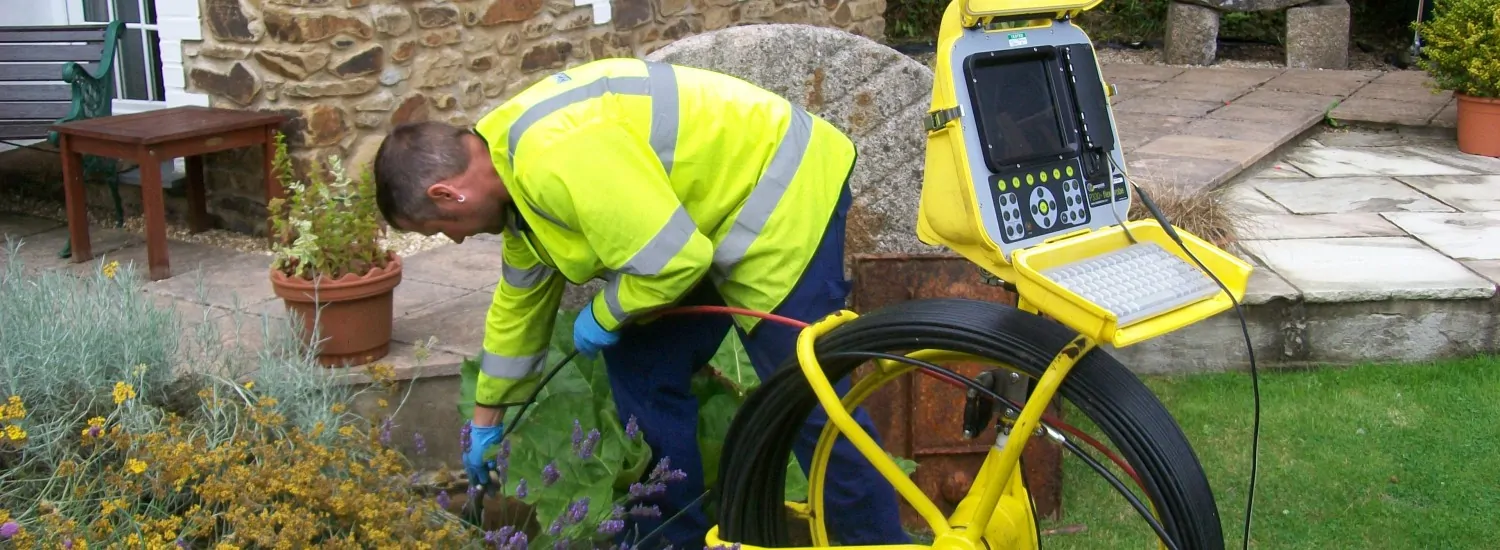
Professional drainage surveys using CCTV cameras are the most reliable way to identify root ingress and the extent of damage. This technology allows specialists to inspect underground pipes without excavation, pinpointing root entry points and blockages precisely. Many Coventry homeowners in areas with mature trees find this a cost-effective first step before deciding on repairs.
Local drainage professionals familiar with West Midlands soil types and tree species can also advise on risk factors for specific properties. For example, clay soils prevalent in the region tend to crack in dry periods, increasing root invasion risks, while certain tree species common in Coventry gardens have more aggressive root systems.
Repair Options: Root Cutting and Removal
One of the initial methods to control root spread is mechanical root cutting using specialist tools like high-pressure water jetters or rotary cutters. This approach clears blockages and frees pipes but does not prevent regrowth, so regular maintenance is often needed, especially in areas such as Walsgrave or Eastern Green with established tree cover.
Chemical root treatments can complement cutting by applying root-killing foams or gels that suppress regrowth inside the pipe without harming surrounding trees. These treatments require professional application and monitoring but can extend the time between interventions significantly.
Advanced Repairs: Drain Relining and Replacement
For drains with severe root damage, more permanent solutions like drain relining are advisable. This trenchless technique involves inserting a resin-coated liner into the existing pipe, creating a new internal surface that seals cracks and blocks root access entirely. Relining is less disruptive than excavation and is ideal for properties in densely built Coventry areas like Foleshill or Binley.
Where damage is beyond repair, traditional pipe replacement may be necessary. This involves excavating affected sections to remove and replace damaged pipes. In gardens with valuable landscaping or mature trees in areas like Finham or Kenilworth, careful planning is essential to minimise disruption. Consulting drainage specialists familiar with Coventry properties ensures appropriate methods are selected.
Preventing Future Root Issues
To minimise the risk of future root invasion, Coventry homeowners should consider landscaping choices carefully. Planting new trees at a safe distance from drains—generally at least as far as the tree’s mature height—is crucial, especially in suburbs like Allesley or Earlsdon where garden space may be limited.
Regular drain inspections and maintenance can catch root ingress early before it causes serious damage. In areas with known root problems, scheduling routine high-pressure jetting or CCTV surveys every couple of years is a practical strategy to protect drainage infrastructure. Local conditions in the West Midlands, including soil type and tree species, influence how frequently these services are needed.
Need a drainage expert in Coventry?
Call 0800 669 6492